
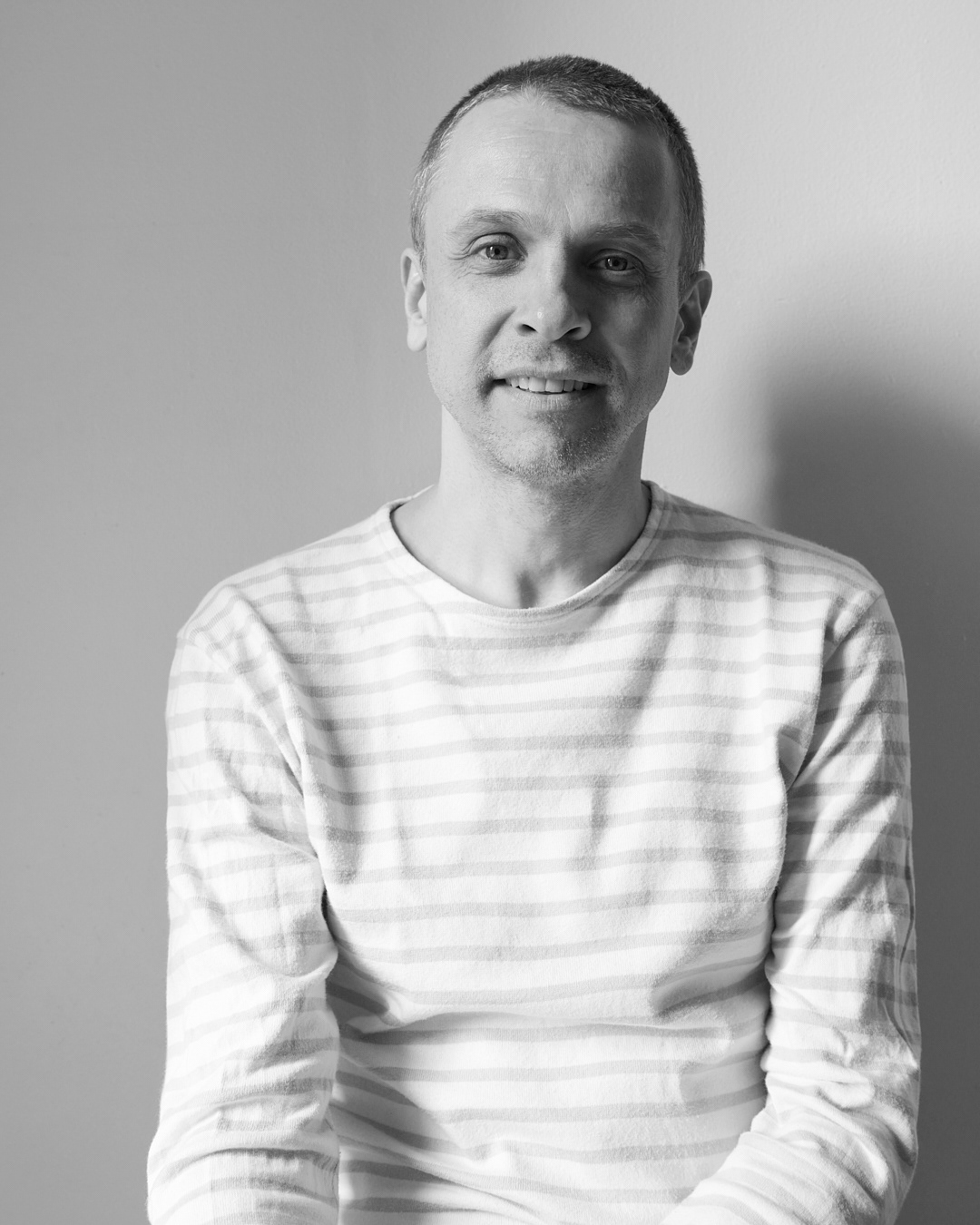
Denis Vlasov grew up in the Soviet Union and emigrated to the United States in
1991. He earned a degree in Economics at Upsala College in New Jersey, in 1995.
1991. He earned a degree in Economics at Upsala College in New Jersey, in 1995.
After working on Wall Street, Denis pursued his passion for photography. He learned the craft by assisting masters such as Steven Klein and Bruce Weber. Denis' own editorial
photography appeared in the Interview Magazine, Vogue Italia, New York Times, AD, Rizzoli Publications.
photography appeared in the Interview Magazine, Vogue Italia, New York Times, AD, Rizzoli Publications.
The Flowers project started unintentionally when Zezé, of Zezé Flowers in New York jave Denis a single white Anemone, setting way to artistic collaboration between the legendary flower-designer and the photographer.
Ten years on, Denis had developed a sensitivity to the poetics of flowers, where he sees
each one as a cosmic event. Photographing flowers is part of his mindfulness practice.
Denis plays saxophone, writes short stories; lives and works in New York.
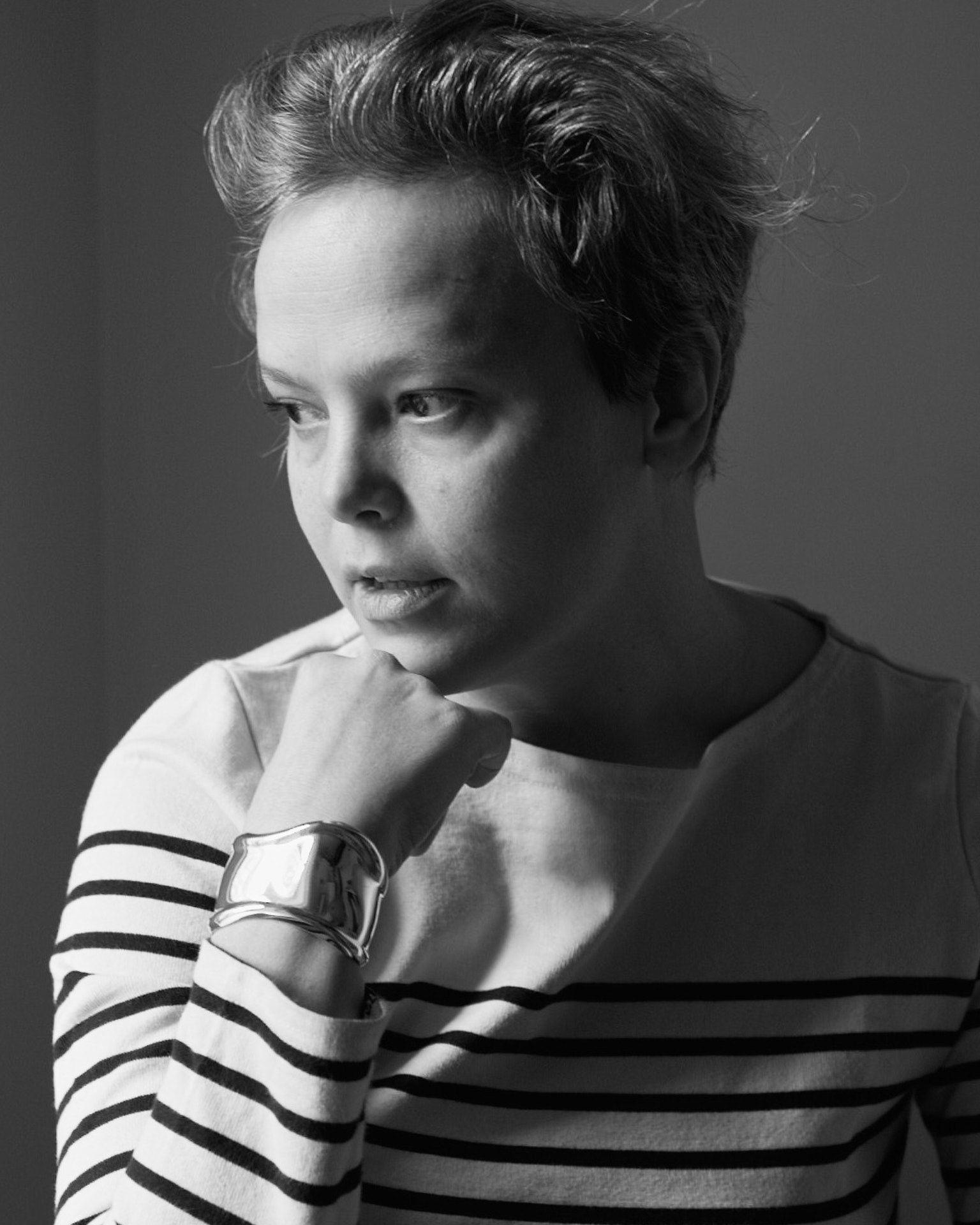
Artist and filmmaker Marie-Cerise works and lives between Paris and New York. After her studies at Ecole des Beaux-Arts de Paris and the Royal Institute of Art in Stockholm, MC joined Essais, the Choreography Research program at Centre National de Danse Contemporaine.
From the equation image + movement, she focused on filmmaking. MC seeks a convergence between the movement and her plastic work. She directed an experimental animated documentary short film “Motu Proprio”, produced by Le Groupe de Recherches et d’Essais Cinématographiques. Influenced by the film Motu Proprio, her pictorial work concentrates on the practice of ink drawing on paper. Thereby she launched a series of large formats.
Her work has been shown at la Fondation Cartier and Centre Pompidou in Paris. In addition to her plastic work, MC is working on fiction and documentaries film projects.
"Drawing, painting and filming are mediums allowing me to digest what I observe, to interfere between reality and perception in an evolving relationship. The nature of reality is thus slightly altered and this shift helps me to detect the elusive in an articulation of the visible and the invisible. Through this manipulation I incorporate a movement into this interval _ this external proprioception moves the viewer and allows new content to be seen. This process involves experimentation. The transformation stretches like elastic dough. I build a permeable surface by flattening fragmented spaces."
Marie-Cerise enjoys playing Bach on piano.